
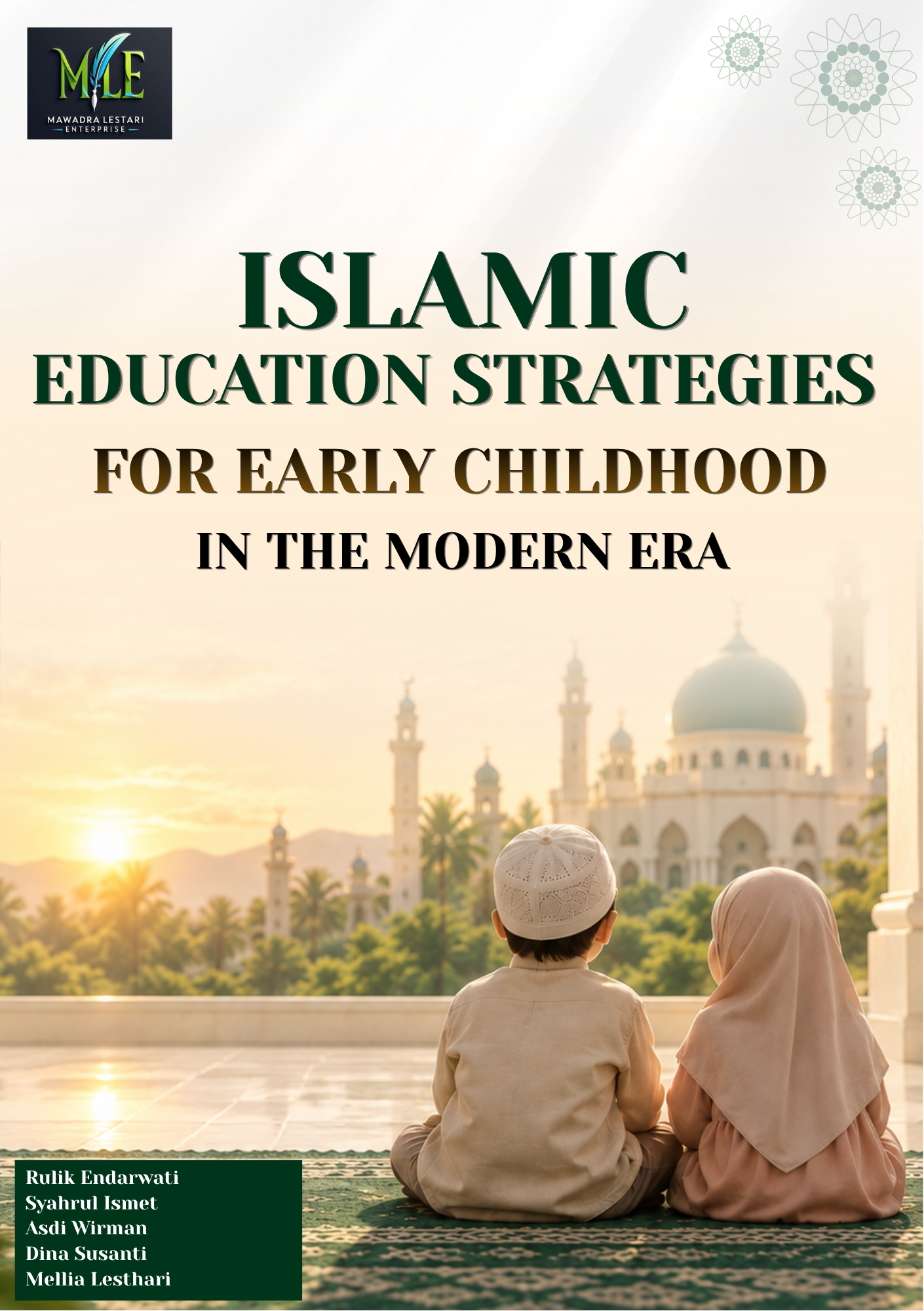
ISLAMIC EDUCATION STRATEGIES FOR EARLY CHILDHOOD IN THE MODERN ERA
Starting: Rp60,000
Collaboratively written by :
Rulik Endarwati
Syahrul Ismet
Asdi Wirman
Dina Susanti
Mellia Lesthari
Editor :
Yuli Ananda Putra, S.Pdi, MA
Meta Lubis, S.Pd, M.Si
EISBN :
978-629-7931-59-3
Alasan berbelanja di Mile Media
- Pengarsipan Buku di Perpustakaan Negara Malaysia
- Penulis mendapatkan royalti 40%
- Publish di Playbook
- Buku terindeks Google Scholar
- Free sertifikat HKI dan sertifikat penulis
Description
Reviews (0)
Description
| Select Book | E-Book, Ebook (Indonesian Version), Printed Book, Printed Book (Indonesian Version) |
|---|---|
| SKU | N/A |
| Category | Book & Ebook, Islam |
This book discusses Islamic Education Strategies for Early Childhood in the Modern Era. It covers the conceptual background and significance of Islamic education for early childhood, the dynamics of the modern era and their implications for early childhood education, strategies for family-based Islamic education, the implementation of Islamic education in early childhood education institutions, and multi-stakeholder collaboration in strengthening Islamic education.
Childhood is not just a normal phase of growth and development, but a crucial time that lays the foundation for a person’s future. It is during this period that the foundations of a person’s personality, perspective, and life skills begin to be laid. Many refer to this phase as the golden age because children experience an incredibly rapid developmental leap. These significant changes are not only evident in their physical strength but also in the way they think, process words, control their emotions, and understand religious values. Everything children experience in their daily lives becomes lasting memories. Emotional experiences at home, exciting interactions with peers, and even learning in the classroom gradually shape behavioral patterns that they will carry into adulthood (Britto et al., 2017).
Early childhood is in the early stages of growth and development, from birth to before entering primary education. According to Law Number 20 of 2003 concerning the National Education System, early childhood education is intended for children from birth to six years of age. Education at this stage is provided
through appropriate learning stimuli to support children’s physical and mental development. This stimulation helps children prepare for continuing their education at the next level. During this period, children also require education, care, and developmental stimulation that are provided in a targeted manner according to their age appropriate needs (Heckman, 2006).
Reviews (0)
Leave a Reply
You also like
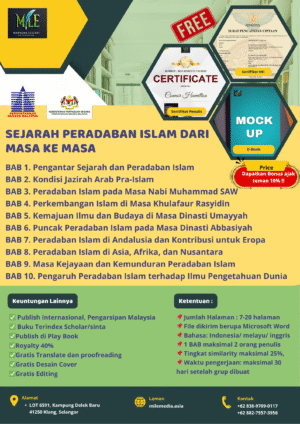
SEJARAH PERADABAN ISLAM DARI MASA KE MASA
Rp300,000 Select options This product has multiple variants. The options may be chosen on the product page
10 Juta Perbulan dengan WA Marketing
Original price was: Rp120,000.Rp48,000Current price is: Rp48,000. Add to cart
STUDI AL QUR’AN DAN HADIS UNTUK PEMAHAMAN KONTEKSTUAL
Rp300,000 Select options This product has multiple variants. The options may be chosen on the product page
SILVIKULTUR DAN TEKNOLOGI PERBENIHAN HUTAN
Rp300,000 Select options This product has multiple variants. The options may be chosen on the product page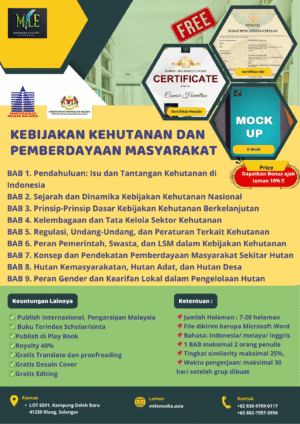
KEBIJAKAN KEHUTANAN DAN PEMBERDAYAAN MASYARAKAT
Rp300,000 Select options This product has multiple variants. The options may be chosen on the product page
ENVIRONMENTAL ECONOMICS
Starting: Rp58,000 Select options This product has multiple variants. The options may be chosen on the product page
PUBLIC INTERNATIONAL LAW
Starting: Rp56,000 Select options This product has multiple variants. The options may be chosen on the product page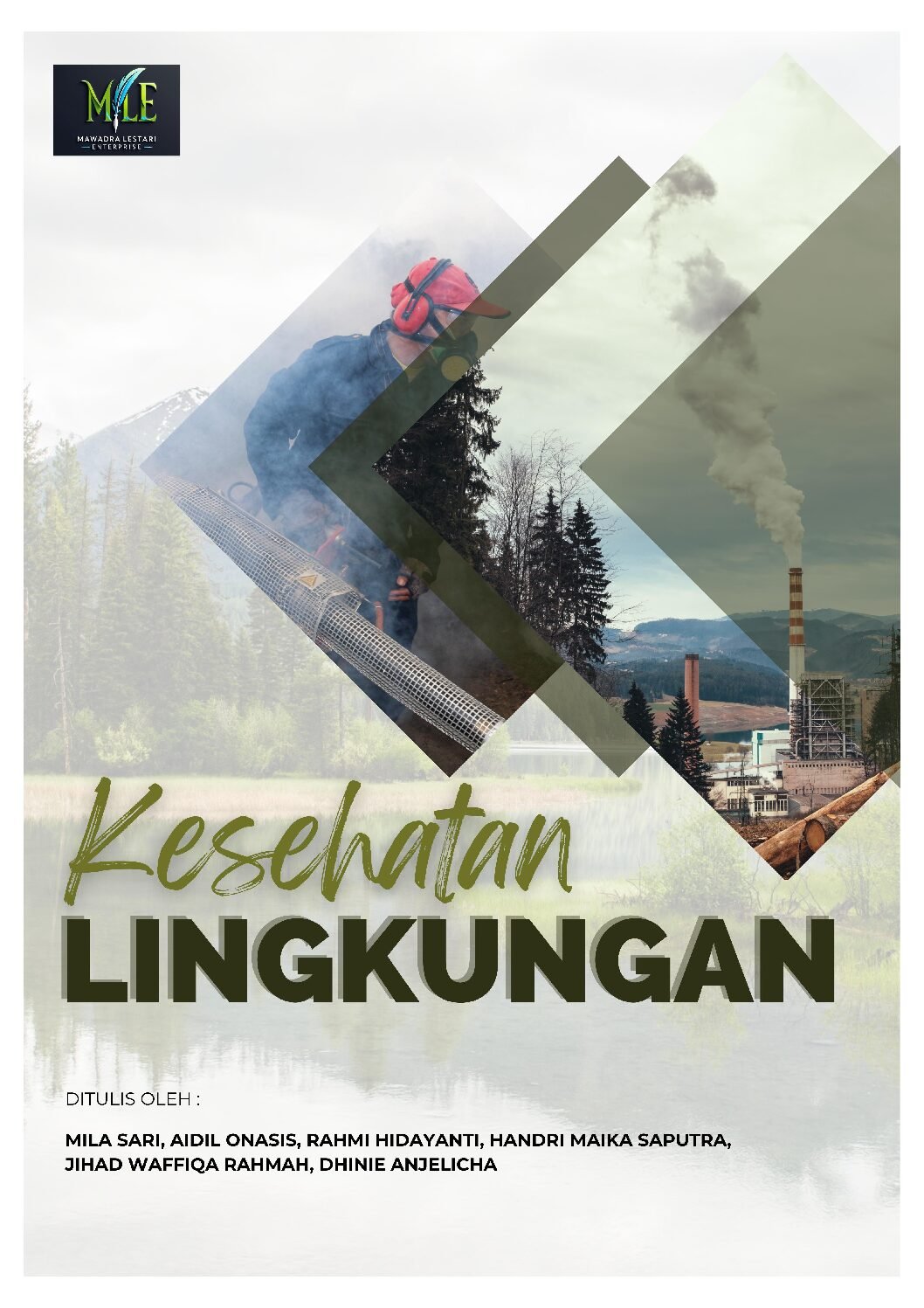
KESEHATAN LINGKUNGAN
Starting: Rp95,000 Select options This product has multiple variants. The options may be chosen on the product page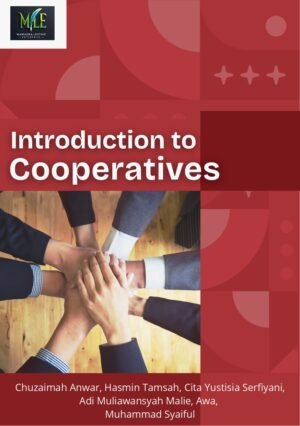
INTRODUCTION TO COOPERATIVES
Starting: Rp57,000 Select options This product has multiple variants. The options may be chosen on the product page
PENGINDERAAN JAUH UNTUK PEMANTAUAN HUTAN
Rp300,000 Select options This product has multiple variants. The options may be chosen on the product page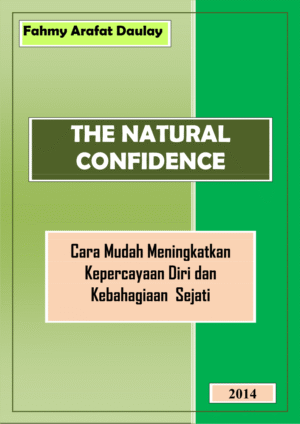
The Natural Confidance
Original price was: Rp105,000.Rp50,500Current price is: Rp50,500. Add to cart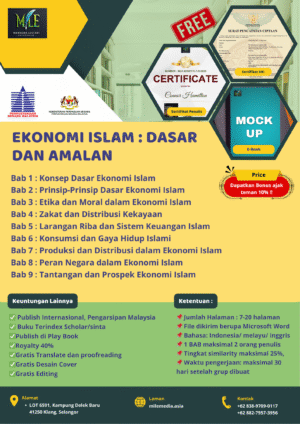
Ekonomi Islam : Dasar dan Amalan
Rp300,000 Select options This product has multiple variants. The options may be chosen on the product page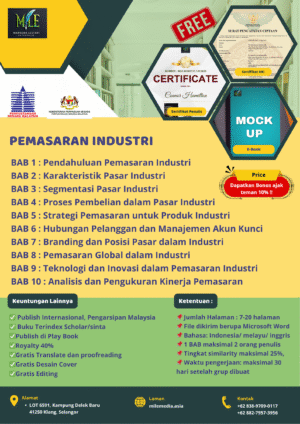
Pemasaran Industri
Rp300,000 Select options This product has multiple variants. The options may be chosen on the product page

EDUCATIONAL MANAGEMENT
Starting: Rp56,000 Select options This product has multiple variants. The options may be chosen on the product page
INTRODUCTION TO DIGITAL ECONOMY
Starting: Rp58,000 Select options This product has multiple variants. The options may be chosen on the product page
BUSINESS MANAGEMENT
Starting: Rp45,000 Select options This product has multiple variants. The options may be chosen on the product page
ISLAMIC EDUCATION AND THE CHALLENGES OF GLOBALIZATION
Starting: Rp56,000 Select options This product has multiple variants. The options may be chosen on the product page
PUBLIC HEALTH SURVEILLANCE
Starting: Rp65,000 Select options This product has multiple variants. The options may be chosen on the product page
ENTREPRENEURIAL DYNAMICS
Starting: Rp40,000 Select options This product has multiple variants. The options may be chosen on the product page


Reviews
There are no reviews yet.