
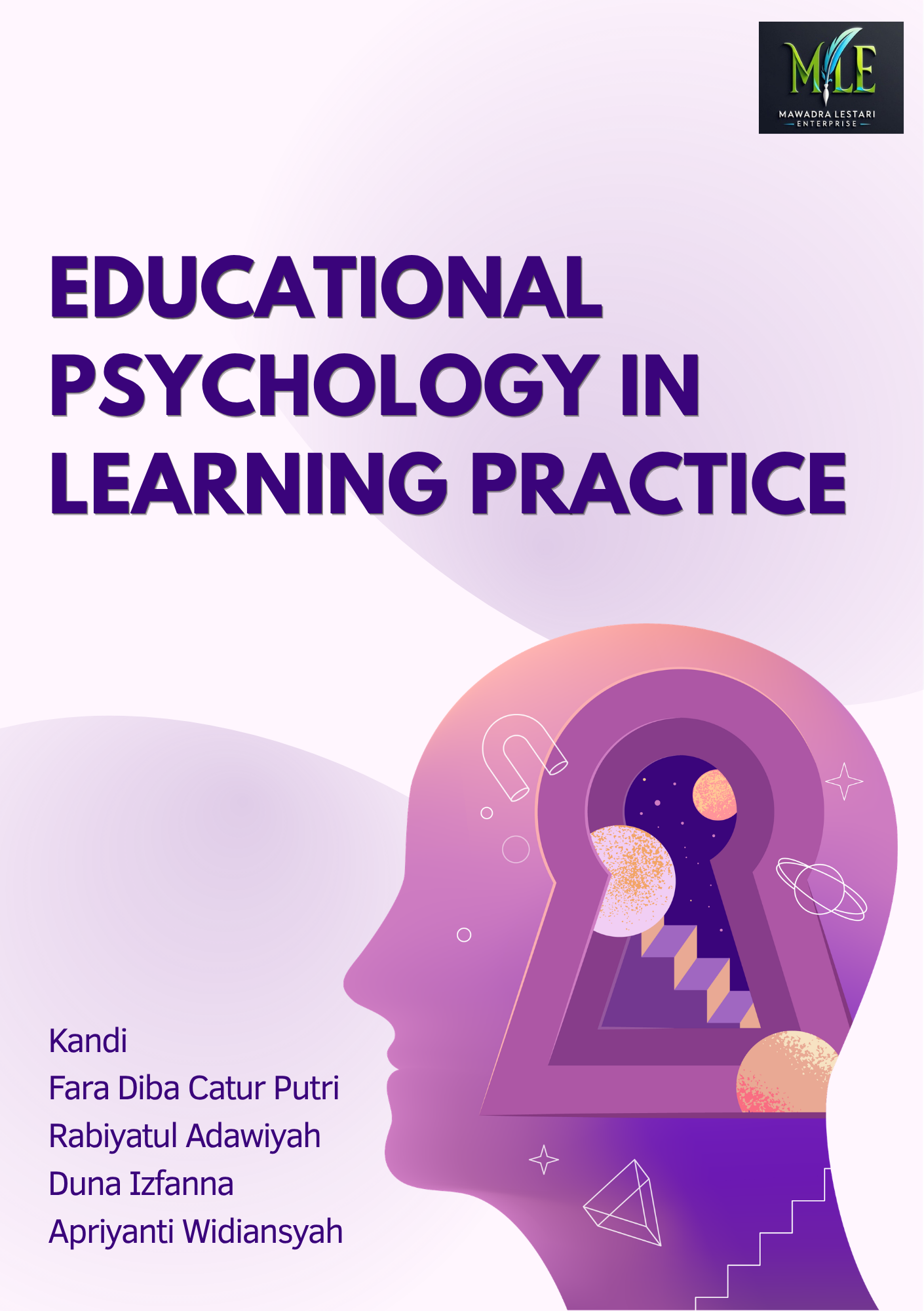
EDUCATIONAL PSYCHOLOGY IN LEARNING PRACTICE
Starting: Rp56,000
Collaboratively written by :
Kandi
Fara Diba Catur Putri
Rabiyatul Adawiyah
Duna Izfanna
Apriyanti Widiansyah
Editor :
Ariyanto, S.Pd, M.Pd
Yuliatri Novita, S.Hum, M.Pd
EISBN :
978-629-7931-48-7
Alasan berbelanja di Mile Media
- Pengarsipan Buku di Perpustakaan Negara Malaysia
- Penulis mendapatkan royalti 40%
- Publish di Playbook
- Buku terindeks Google Scholar
- Free sertifikat HKI dan sertifikat penulis
Description
Reviews (0)
Description
| Select Book | E-Book, Ebook (Indonesian Version), Printed Book, Printed Book (Indonesian Version) |
|---|---|
| SKU | N/A |
| Category | Book & Ebook, Pendidikan |
This book discusses Educational Psychology in Learning Practice. It covers an introduction to educational psychology, student development, learning theories and their implications in the classroom, motivation in learning, and psychological evaluation and reflection in learning.
Etymologically, the term “Psikologi” emerged among Indonesians from the language used by the Ancient Greeks, also known as Classical Greek, and is a combination of two words. The first is psyche and the second word is logos. Say psyche Among Indonesians, this word is often translated as soul and the word logos among people In Indonesian, the word “Psikologi” is often interpreted as “science” (Syah, 2005; Walgito; 2010; Sarwono, 2020; Kandi et al., 2024). For this reason, the word “Psikologi” in Indonesian is often translated as science of the psyche or science of the soul. More simply, psychology is referred to as “ilmu kejiwaan” or “study of the soul.” In a scientific dictionary entitled Contemporary Indonesian-Arabic Scientific Dictionary, psychology is called’ self centered (Sarwanih, 2011). The plural form of the word nafsun or nafs that sometimes anfus and sometimes too nufus (Yunus, 1989). The word “Psikologi” in English is usually called psychology (Syah,2005).
Reviews (0)
Leave a Reply
You also like

ENVIRONMENTAL ECONOMICS
Starting: Rp58,000 Select options This product has multiple variants. The options may be chosen on the product page
INTRODUCTION TO DIGITAL ECONOMY
Starting: Rp58,000 Select options This product has multiple variants. The options may be chosen on the product page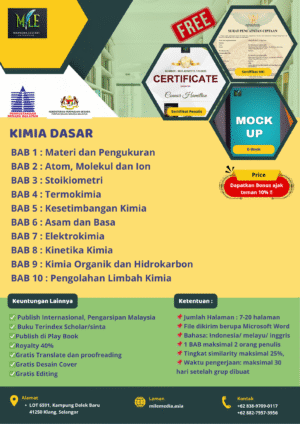
Kimia Dasar
Rp300,000 Select options This product has multiple variants. The options may be chosen on the product page
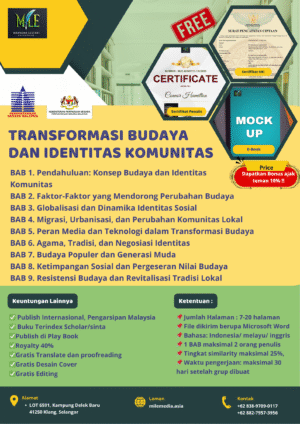
TRANSFORMASI BUDAYA DAN IDENTITAS KOMUNITAS
Rp300,000 Select options This product has multiple variants. The options may be chosen on the product page
ANTROPOLOGI EKONOMI DAN POLITIK MASYARAKAT TRADISIONAL
Rp300,000 Select options This product has multiple variants. The options may be chosen on the product page
10 Juta Perbulan dengan WA Marketing
Original price was: Rp120,000.Rp48,000Current price is: Rp48,000. Add to cart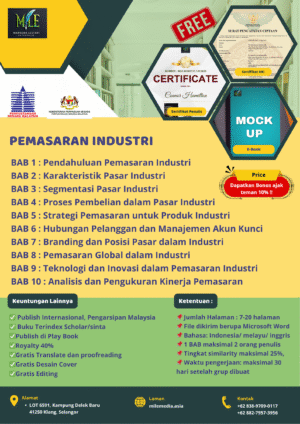
Pemasaran Industri
Rp300,000 Select options This product has multiple variants. The options may be chosen on the product page

PUBLIC INTERNATIONAL LAW
Starting: Rp56,000 Select options This product has multiple variants. The options may be chosen on the product page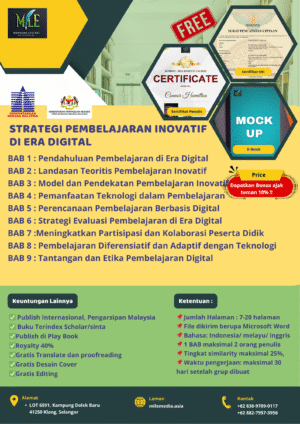
STRATEGI PEMBELAJARAN INOVATIF DI ERA DIGITAL
Rp300,000 Select options This product has multiple variants. The options may be chosen on the product page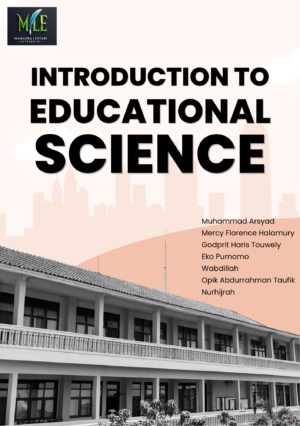
INTRODUCTION TO EDUCATIONAL SCIENCE
Starting: Rp56,000 Select options This product has multiple variants. The options may be chosen on the product page
BUSINESS MANAGEMENT
Starting: Rp45,000 Select options This product has multiple variants. The options may be chosen on the product page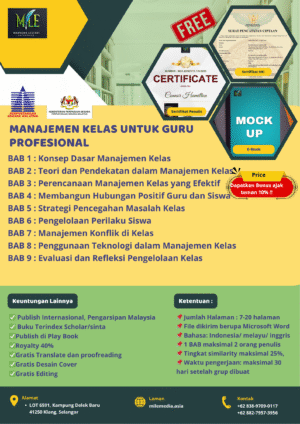
MANAJEMEN KELAS UNTUK GURU PROFESIONAL
Rp300,000 Select options This product has multiple variants. The options may be chosen on the product page
FILSAFAT PENDIDIKAN: DASAR PEMIKIRAN DAN APLIKASINYA
Rp300,000 Select options This product has multiple variants. The options may be chosen on the product page
ENTREPRENEURIAL DYNAMICS
Starting: Rp40,000 Select options This product has multiple variants. The options may be chosen on the product page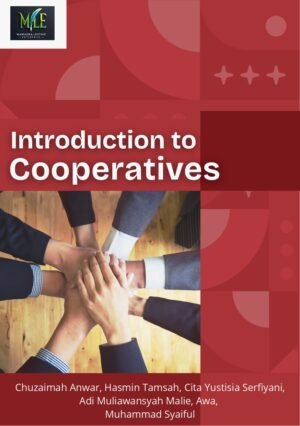
INTRODUCTION TO COOPERATIVES
Starting: Rp57,000 Select options This product has multiple variants. The options may be chosen on the product page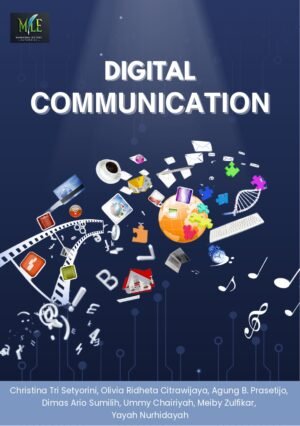
DIGITAL COMMUNICATION
Starting: Rp35,000 Select options This product has multiple variants. The options may be chosen on the product page
INTERNATIONAL STRATEGIC MANAGEMENT
Starting: Rp65,000 Select options This product has multiple variants. The options may be chosen on the product page
INTRODUCTION TO CURRICULUM
Starting: Rp49,000 Select options This product has multiple variants. The options may be chosen on the product page


Reviews
There are no reviews yet.