
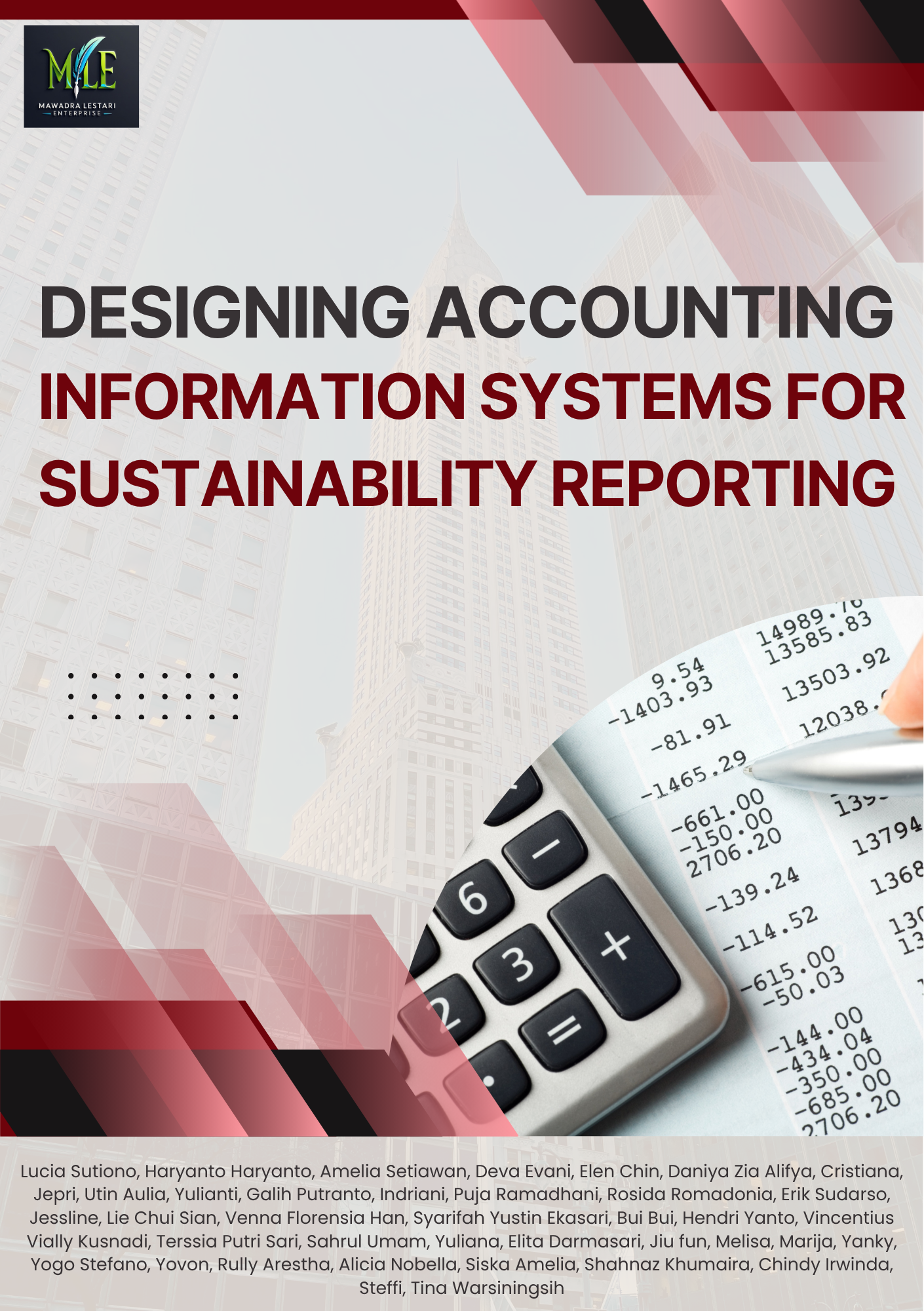
Designing Accounting Information Systems For Sustainability Reporting
Starting: Rp60,000
Collaboratively written by :
Lucia Sutiono
Haryanto Haryanto
Amelia Setiawan
Deva Evani
Elen Chin
Daniya Zia Alifya
Cristiana
Jepri
Utin Aulia Yulianti
Galih Putranto
Indriani
Puja Ramadhani
Rosida Romadonia
Erik Sudarso
Jessline
Lie Chui Sian
Venna Florensia Han
Syarifah Yustin Ekasari
Bui Bui
Hendri Yanto
Vincentius Vially Kusnadi
Terssia Putri Sari
Sahrul Umam
Yuliana
Elita Darmasari
Jiu fun
Melisa
Marija
Yanky
Yogo Stefano
Yovon
Rully Arestha
Alicia Nobella
Siska Amelia
Shahnaz Khumaira
Chindy Irwinda
Steffi
Tina Warsiningsih
Editor :
Mutia Febrina Sari, S.Akun, M.Akun
Gina Havieza Elmizan, S.E, M.E, M.Si
EISBN :
978-629-7931-45-6
Alasan berbelanja di Mile Media
- Pengarsipan Buku di Perpustakaan Negara Malaysia
- Penulis mendapatkan royalti 40%
- Publish di Playbook
- Buku terindeks Google Scholar
- Free sertifikat HKI dan sertifikat penulis
Description
Reviews (0)
Description
| Select Book | E-Book, Ebook (Indonesian Version), Printed Book, Printed Book (Indonesian Version) |
|---|---|
| SKU | N/A |
| Category | Akuntansi, Book & Ebook |
This book originated from a class project conducted in the Accounting Information Systems course during the second semester
of the 2025/2026 academic year. The project was designed in response to a simple concern: the study of Accounting Information Systems should not be limited to established theories and conventional transaction cycles, but should also remain connected to changes taking place in the accounting profession and the wider business environment.
One of the developments receiving increasing attention is sustainability reporting. In Indonesia, PSPK 1 and PSPK 2 will become effective on 1 January 2027. The students involved in this project are part of the generation that will enter professional practice as these standards begin to shape organizational reporting and information needs. The class project was therefore intended to provide an early and practical introduction to this development. It did not seek to teach the technical requirements of sustainability reporting in depth. Rather, it invited students to recognize that every item of reported information must first be supported by a process for identifying, collecting, recording, controlling, and reporting the
underlying data.
The students were divided into ten project groups, with each group examining a different operational activity related to data that may support sustainability reporting. The topics included water consumption, gas consumption, building electricity usage, digital infrastructure energy and data usage, waste generation, operational vehicle fuel consumption, generator fuel consumption, logistics and goods delivery, employee transportation, and air conditioning energy consumption. For each topic, the students identified the relevant activities, risks, internal controls, business-process flows, supporting documents, and reports.
Reviews (0)
Leave a Reply
You also like
TEORI SOSIOLOGI KLASIK DAN MODERN
Rp300,000 Select options This product has multiple variants. The options may be chosen on the product page
EDUCATIONAL MANAGEMENT
Starting: Rp56,000 Select options This product has multiple variants. The options may be chosen on the product page
RESEARCH METHODOLOGY
Starting: Rp45,000 Select options This product has multiple variants. The options may be chosen on the product page
DASAR DASAR KESEHATAN GIGI DAN MULUT
Rp300,000 Select options This product has multiple variants. The options may be chosen on the product page
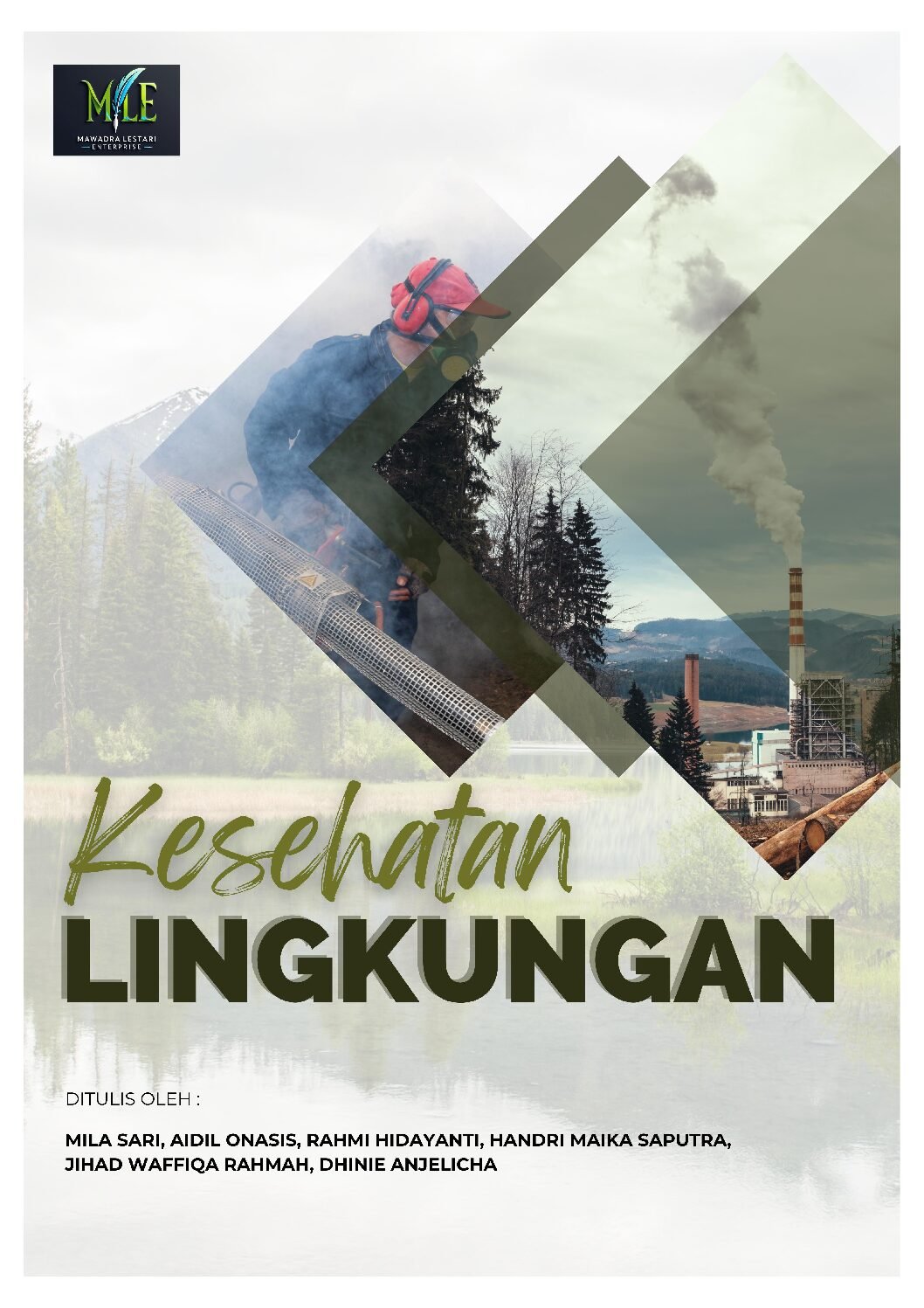
KESEHATAN LINGKUNGAN
Starting: Rp95,000 Select options This product has multiple variants. The options may be chosen on the product page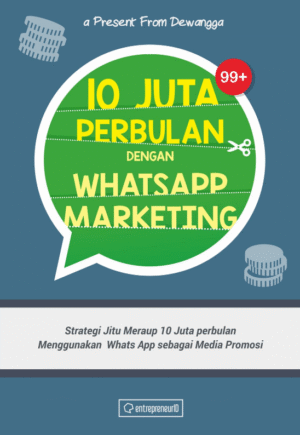
10 Juta Perbulan dengan WA Marketing
Original price was: Rp120,000.Rp48,000Current price is: Rp48,000. Add to cart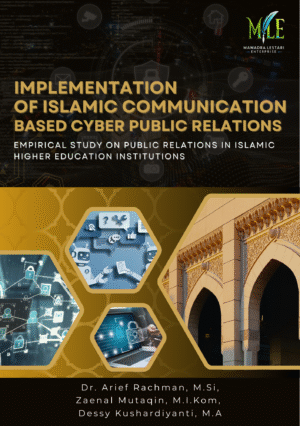
Implementation of Cyber Public Relations Based on Islamic Communication
Starting: Rp59,000 Select options This product has multiple variants. The options may be chosen on the product page
ECONOMIC THEORY AND ITS APPLICATION IN LIFE
Starting: Rp45,000 Select options This product has multiple variants. The options may be chosen on the product page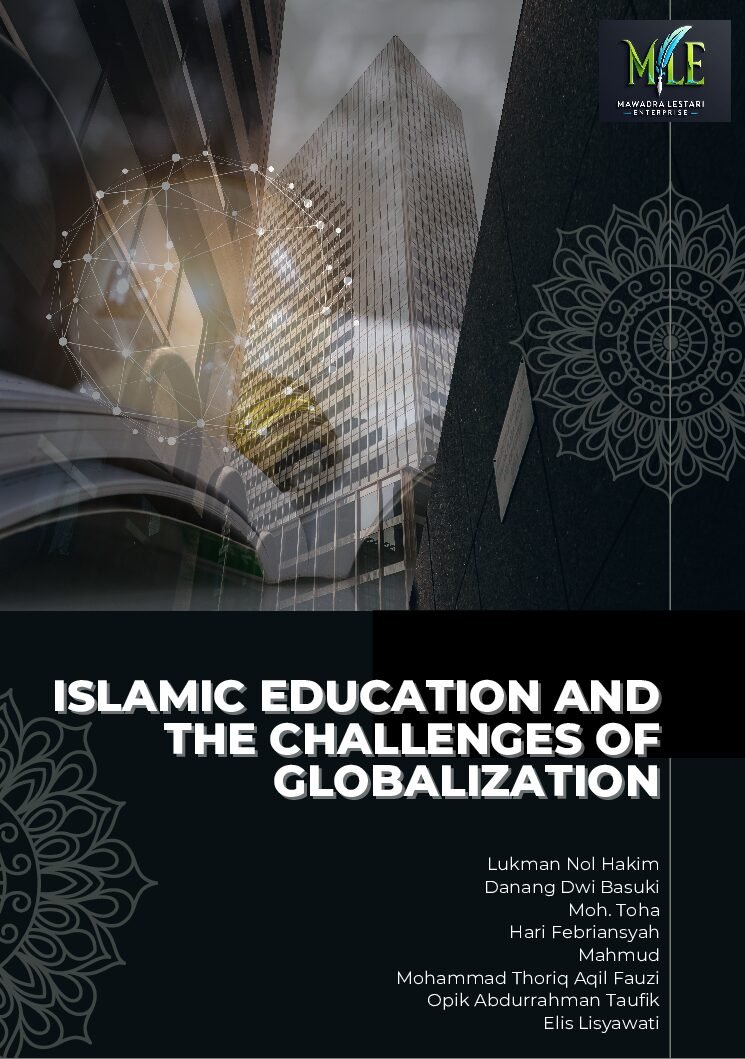
ISLAMIC EDUCATION AND THE CHALLENGES OF GLOBALIZATION
Starting: Rp56,000 Select options This product has multiple variants. The options may be chosen on the product page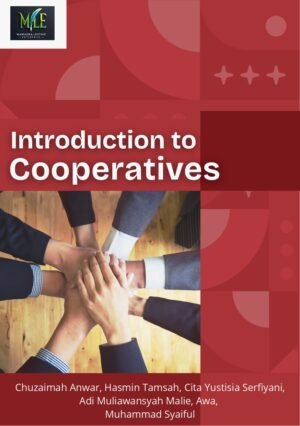
INTRODUCTION TO COOPERATIVES
Starting: Rp57,000 Select options This product has multiple variants. The options may be chosen on the product page
PENGINDERAAN JAUH UNTUK PEMANTAUAN HUTAN
Rp300,000 Select options This product has multiple variants. The options may be chosen on the product page
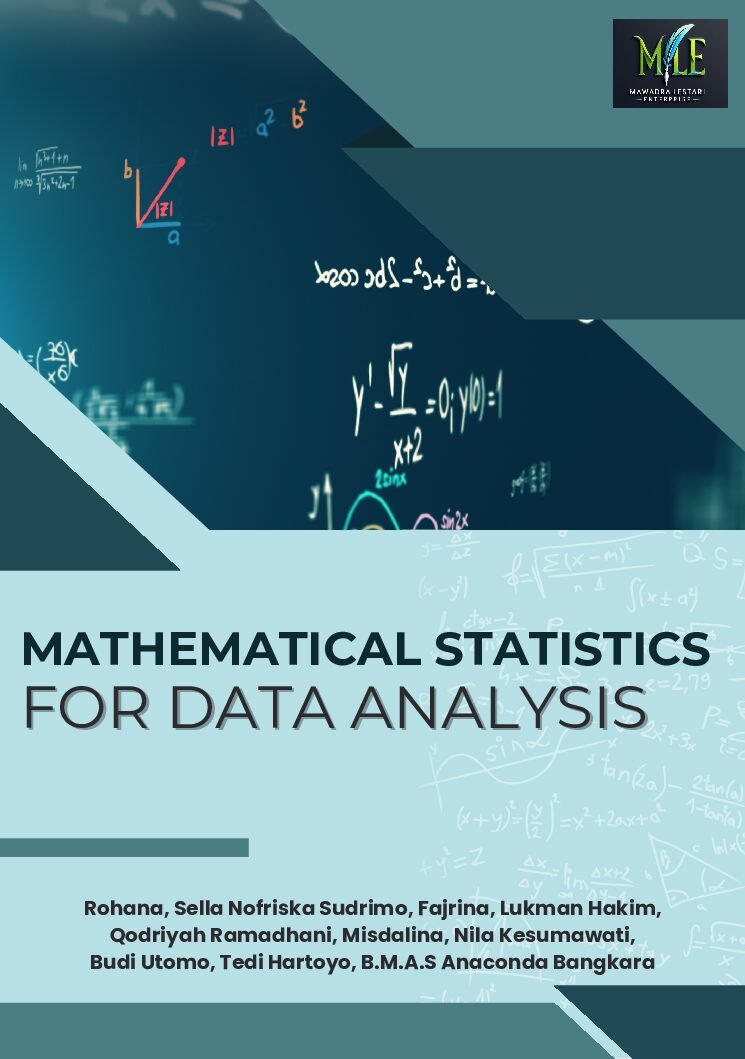
MATHEMATICAL STATISTICS FOR DATA ANALYSIS
Starting: Rp56,000 Select options This product has multiple variants. The options may be chosen on the product page
SISTEM INFORMASI GEOGRAFIS UNTUK ANALISIS SPASIAL
Rp300,000 Select options This product has multiple variants. The options may be chosen on the product page
SILVIKULTUR DAN TEKNOLOGI PERBENIHAN HUTAN
Rp300,000 Select options This product has multiple variants. The options may be chosen on the product page
GLOBAL MANAGEMENT: THEORY AND IMPLICATIONS 5.0
Starting: Rp56,000 Select options This product has multiple variants. The options may be chosen on the product page
ANTROPOLOGI EKONOMI DAN POLITIK MASYARAKAT TRADISIONAL
Rp300,000 Select options This product has multiple variants. The options may be chosen on the product page
PUBLIC HEALTH SURVEILLANCE
Starting: Rp65,000 Select options This product has multiple variants. The options may be chosen on the product page
ISLAMIC EDUCATION SCIENCE
Starting: Rp56,000 Select options This product has multiple variants. The options may be chosen on the product page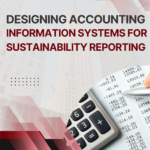


Reviews
There are no reviews yet.