
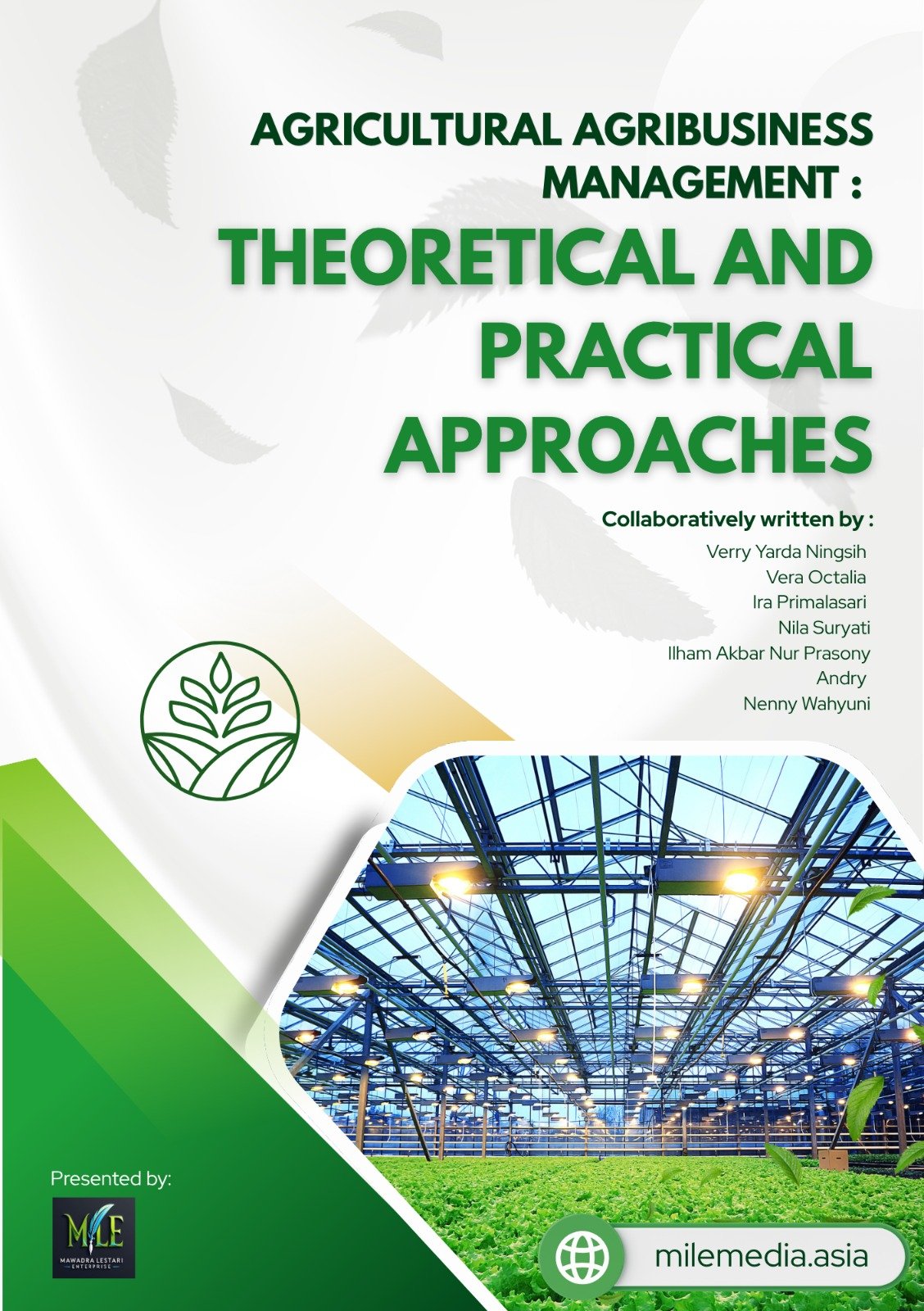
AGRICULTURAL AGRIBUSINESS MANAGEMENT: THEORETICAL AND PRACTICAL APPROACHES
Starting: Rp59,000
Collaboratively written by :
Verry Yarda Ningsih
Vera Octalia
Ira Primalasari
Nila Suryati
Ilham Akbar Nur Prasony
Andry
Nenny Wahyuni
Editor :
Ir. Eddy Jajang Jaya Atmaja, M. M., MBA, P. hD (Cand)
Meta Lubis, S.Pd, M.Si
EISBN :
978-629-7931-29-6
Alasan berbelanja di Mile Media
- Pengarsipan Buku di Perpustakaan Negara Malaysia
- Penulis mendapatkan royalti 40%
- Publish di Playbook
- Buku terindeks Google Scholar
- Free sertifikat HKI dan sertifikat penulis
Description
Reviews (0)
Description
| Select Book | E-Book, Ebook (Indonesian Version), Printed Book, Printed Book (Indonesian Version) |
|---|---|
| SKU | N/A |
| Category | Book & Ebook, Pertanian, Uncategorized |
This book discusses Agricultural Agribusiness Management: Theoretical and Practical Approaches. It includes an introduction to agricultural agribusiness, agribusiness systems and value chain analysis, production management in agricultural agribusiness, agribusiness financial management, agricultural product marketing management, human resource management in agribusiness, policies and regulations in the agribusiness sector, and agribusiness entrepreneurship and business development.
The agricultural sector plays a very strategic role in economic development, particularly in developing countries. In addition to providing food for the population, this sector is also a source of industrial raw materials, absorbs labor, earns foreign exchange, and drives economic activity in rural areas. From an economic development perspective, agriculture plays a role not only as a primary production sector but also as a foundation for structural transformation that drives the growth of other sectors. Johnston and Mellor (1961) explained that the agricultural sector makes at least five main contributions to economic development: providing food for the population, providing labor for the non-agricultural sector, forming capital for development investment, providing foreign exchange through exports, and creating markets for industrial products. Therefore, successful agricultural development will have a multiplier effect.
Reviews (0)
Leave a Reply
You also like

PERTANIAN ORGANIK: KONSEP DAN PRAKTIK LAPANGAN
Rp300,000 Select options This product has multiple variants. The options may be chosen on the product page
BAHASA INDONESIA DALAM KONTEKS AKADEMIK DAN PROFESIONAL
Rp300,000 Select options This product has multiple variants. The options may be chosen on the product page
Dasar-Dasar Kesehatan Masyarakat
Rp300,000 Select options This product has multiple variants. The options may be chosen on the product page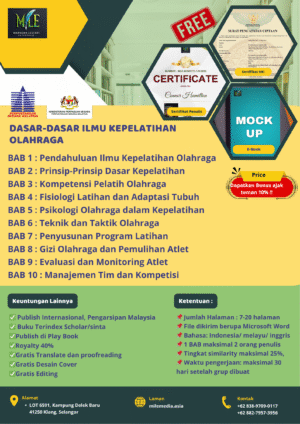
DASAR-DASAR ILMU KEPELATIHAN OLAHRAGA
Rp300,000 Select options This product has multiple variants. The options may be chosen on the product page
ILMU TANAH UNTUK PERTANIAN PRESISI
Rp300,000 Select options This product has multiple variants. The options may be chosen on the product page
SILVIKULTUR DAN TEKNOLOGI PERBENIHAN HUTAN
Rp300,000 Select options This product has multiple variants. The options may be chosen on the product page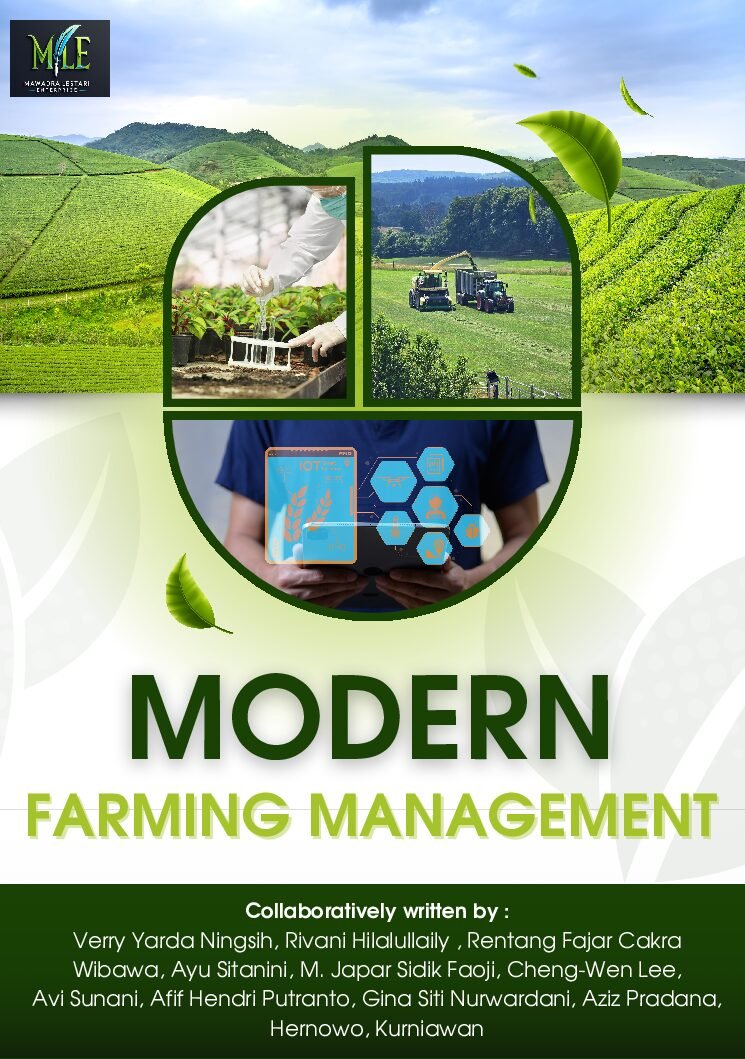
MODERN FARMING MANAGEMENT
Starting: Rp59,000 Select options This product has multiple variants. The options may be chosen on the product page
RESEARCH METHODOLOGY
Starting: Rp45,000 Select options This product has multiple variants. The options may be chosen on the product page
PUBLIC HEALTH SURVEILLANCE
Starting: Rp65,000 Select options This product has multiple variants. The options may be chosen on the product page
TEKNOLOGI BUDIDAYA TANAMAN PANGAN
Rp300,000 Select options This product has multiple variants. The options may be chosen on the product page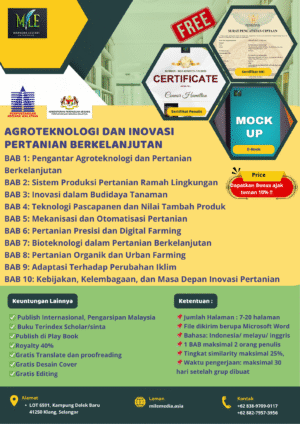
AGROTEKNOLOGI DAN INOVASI PERTANIAN BERKELANJUTAN
Rp300,000 Select options This product has multiple variants. The options may be chosen on the product page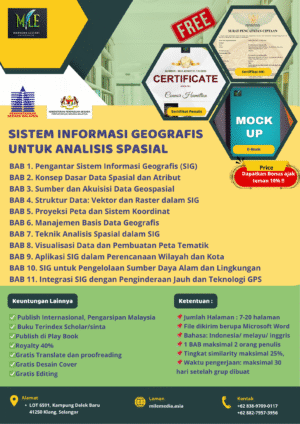
SISTEM INFORMASI GEOGRAFIS UNTUK ANALISIS SPASIAL
Rp300,000 Select options This product has multiple variants. The options may be chosen on the product page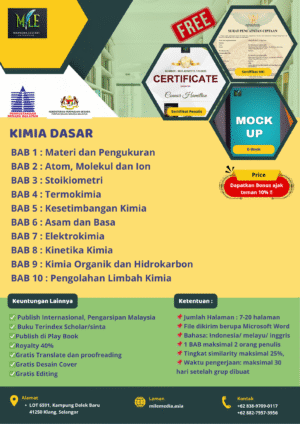
Kimia Dasar
Rp300,000 Select options This product has multiple variants. The options may be chosen on the product page
BUSINESS MANAGEMENT
Starting: Rp45,000 Select options This product has multiple variants. The options may be chosen on the product page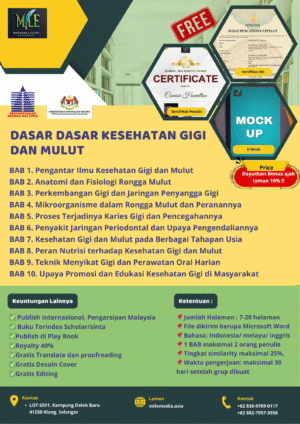
DASAR DASAR KESEHATAN GIGI DAN MULUT
Rp300,000 Select options This product has multiple variants. The options may be chosen on the product page
Agrotechnology and Sustainable Agricultural Innovation
Starting: Rp59,000 Select options This product has multiple variants. The options may be chosen on the product page
DIGITAL COMMUNICATION
Starting: Rp35,000 Select options This product has multiple variants. The options may be chosen on the product page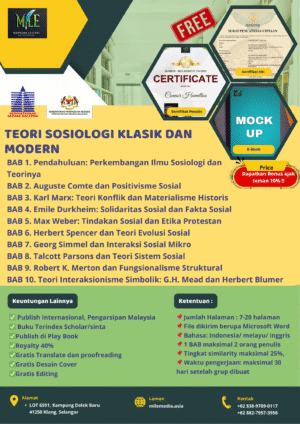
TEORI SOSIOLOGI KLASIK DAN MODERN
Rp300,000 Select options This product has multiple variants. The options may be chosen on the product page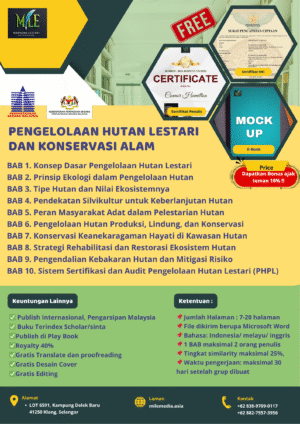
PENGELOLAAN HUTAN LESTARI DAN KONSERVASI ALAM
Rp300,000 Select options This product has multiple variants. The options may be chosen on the product page


Reviews
There are no reviews yet.