

GLOBAL TALENT MANAGEMENT AND INTERNATIONAL HUMAN RESOURCES
Starting: Rp70,000
Collaboratively written by :
Sri Irmayanti Asyhari
Suparno
Riska Firdaus
Johny Urbanus Lesnussa
Montgomery Warbal
Editor :
Muhammad nazif, SE, MM, NCT, CPS, CDMS
Mutia Anggraweni, SE.,MM
EISBN :
978-629-7931-57-9
Alasan berbelanja di Mile Media
- Pengarsipan Buku di Perpustakaan Negara Malaysia
- Penulis mendapatkan royalti 40%
- Publish di Playbook
- Buku terindeks Google Scholar
- Free sertifikat HKI dan sertifikat penulis
Description
Reviews (0)
Description
| Select Book | E-Book, Ebook (Indonesian Version), Printed Book, Printed Book (Indonesian Version) |
|---|---|
| SKU | N/A |
| Category | Book & Ebook, Manajemen |
This book discusses Global Talent Management and International Human Resources. It covers the basic concepts of global talent management, the global environment and talent dynamics, global talent management and international human resources, global talent acquisition, global talent performance management, and global talent compensation and retention.
Talent is a crucial concept in human resource management because it relates to an individual’s capacity to contribute to achieving organizational goals (Widodo et al., 2023). Talent refers not only to individuals with high abilities or demonstrated outstanding performance, but also encompasses a combination of knowledge, skills, experience, learning ability, motivation, and work behavior. Thus, a person can be considered talented when their abilities align with job requirements and provide value to the organization.
One of the key elements of talent is competence, namely an individual’s ability to perform work effectively. Competence can include technical knowledge, professional skills, analytical skills, communication, leadership, and collaboration. In a global context, competence also includes the ability to adapt to cultural differences, work in cross-border teams, and understand changes in the business environment (Sidoarjo et al., 2023, p. 43).
Beyond competence, performance demonstrates an individual’s tangible contribution to the performance of their duties. However, high performance does not necessarily reflect readiness for more complex responsibilities. Therefore, organizations need to distinguish between current achievements and an individual’s developmental capacity.
Reviews (0)
Leave a Reply
You also like

RESEARCH METHODOLOGY
Starting: Rp45,000 Select options This product has multiple variants. The options may be chosen on the product page
Financial Management: Planning, Analysis, and Decision Making
Starting: Rp56,000 Select options This product has multiple variants. The options may be chosen on the product page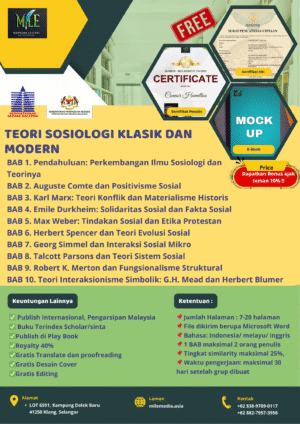
TEORI SOSIOLOGI KLASIK DAN MODERN
Rp300,000 Select options This product has multiple variants. The options may be chosen on the product page
PENGINDERAAN JAUH UNTUK PEMANTAUAN HUTAN
Rp300,000 Select options This product has multiple variants. The options may be chosen on the product page
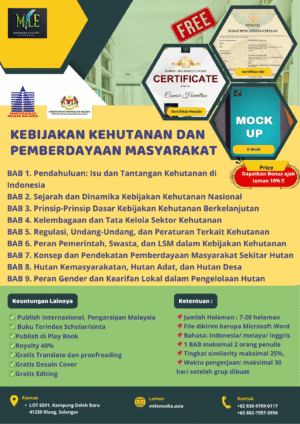
KEBIJAKAN KEHUTANAN DAN PEMBERDAYAAN MASYARAKAT
Rp300,000 Select options This product has multiple variants. The options may be chosen on the product page
PEMASARAN JASA
Rp300,000 Select options This product has multiple variants. The options may be chosen on the product page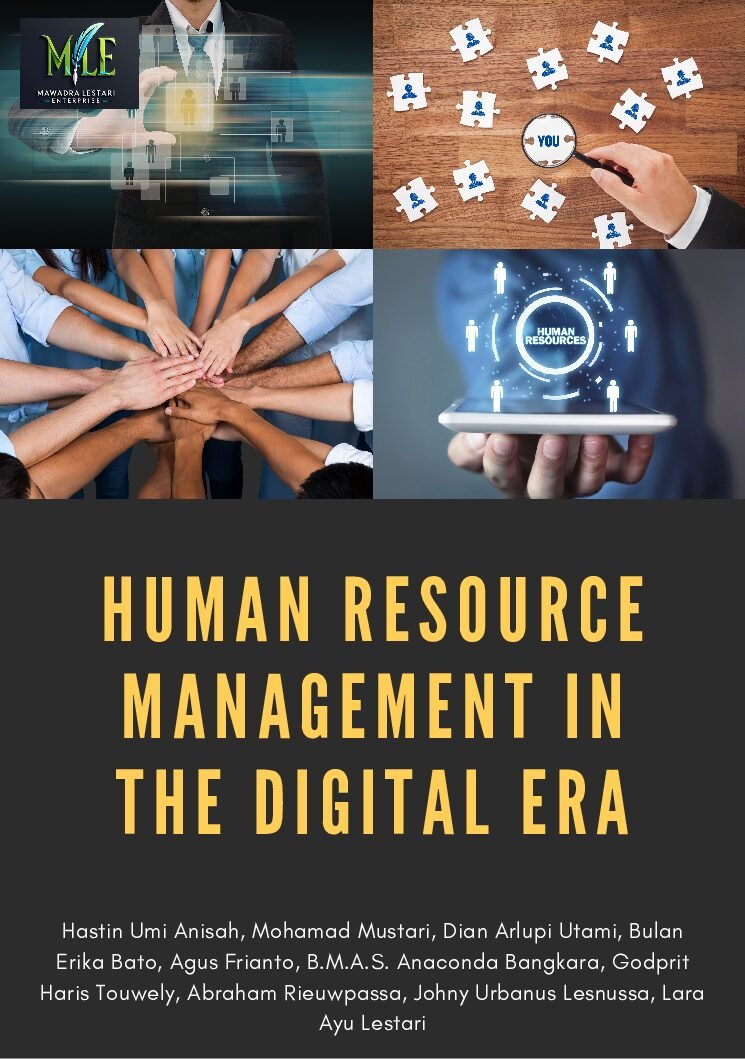
Human Resource Management in the Digital Era
Starting: Rp56,000 Select options This product has multiple variants. The options may be chosen on the product page
10 Juta Perbulan dengan WA Marketing
Original price was: Rp120,000.Rp48,000Current price is: Rp48,000. Add to cart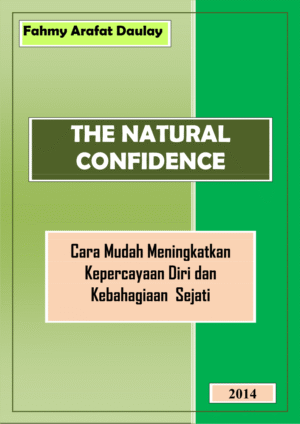
The Natural Confidance
Original price was: Rp105,000.Rp50,500Current price is: Rp50,500. Add to cartAKUNTANSI MANAJEMEN
Rp300,000 Select options This product has multiple variants. The options may be chosen on the product page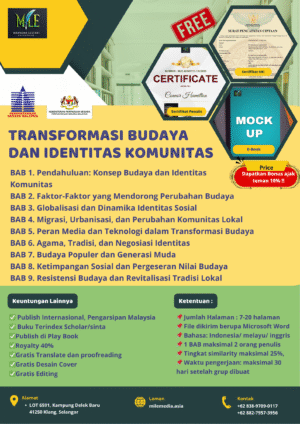
TRANSFORMASI BUDAYA DAN IDENTITAS KOMUNITAS
Rp300,000 Select options This product has multiple variants. The options may be chosen on the product page
Modern Marketing Management: Digital and Consumer Approach
Starting: Rp56,000 Select options This product has multiple variants. The options may be chosen on the product page
RETAIL MANAGEMENT
Starting: Rp60,000 Select options This product has multiple variants. The options may be chosen on the product page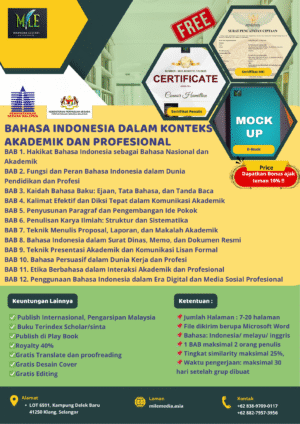
BAHASA INDONESIA DALAM KONTEKS AKADEMIK DAN PROFESIONAL
Rp300,000 Select options This product has multiple variants. The options may be chosen on the product page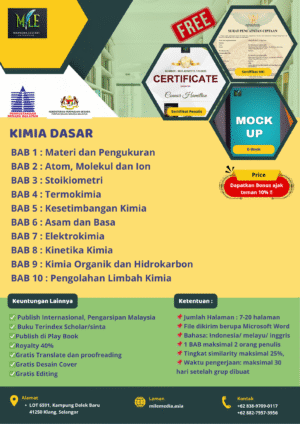
Kimia Dasar
Rp300,000 Select options This product has multiple variants. The options may be chosen on the product page
MANAJEMEN PEMASARAN MODERN: PENDEKATAN DIGITAL DAN KONSUMEN
Rp300,000 Select options This product has multiple variants. The options may be chosen on the product page
PUBLIC HEALTH SURVEILLANCE
Starting: Rp65,000 Select options This product has multiple variants. The options may be chosen on the product page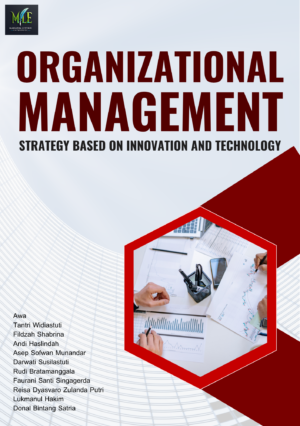
ORGANIZATIONAL MANAGEMENT STRATEGY BASED ON INNOVATION AND TECHNOLOGY
Starting: Rp60,000 Select options This product has multiple variants. The options may be chosen on the product page



Reviews
There are no reviews yet.