
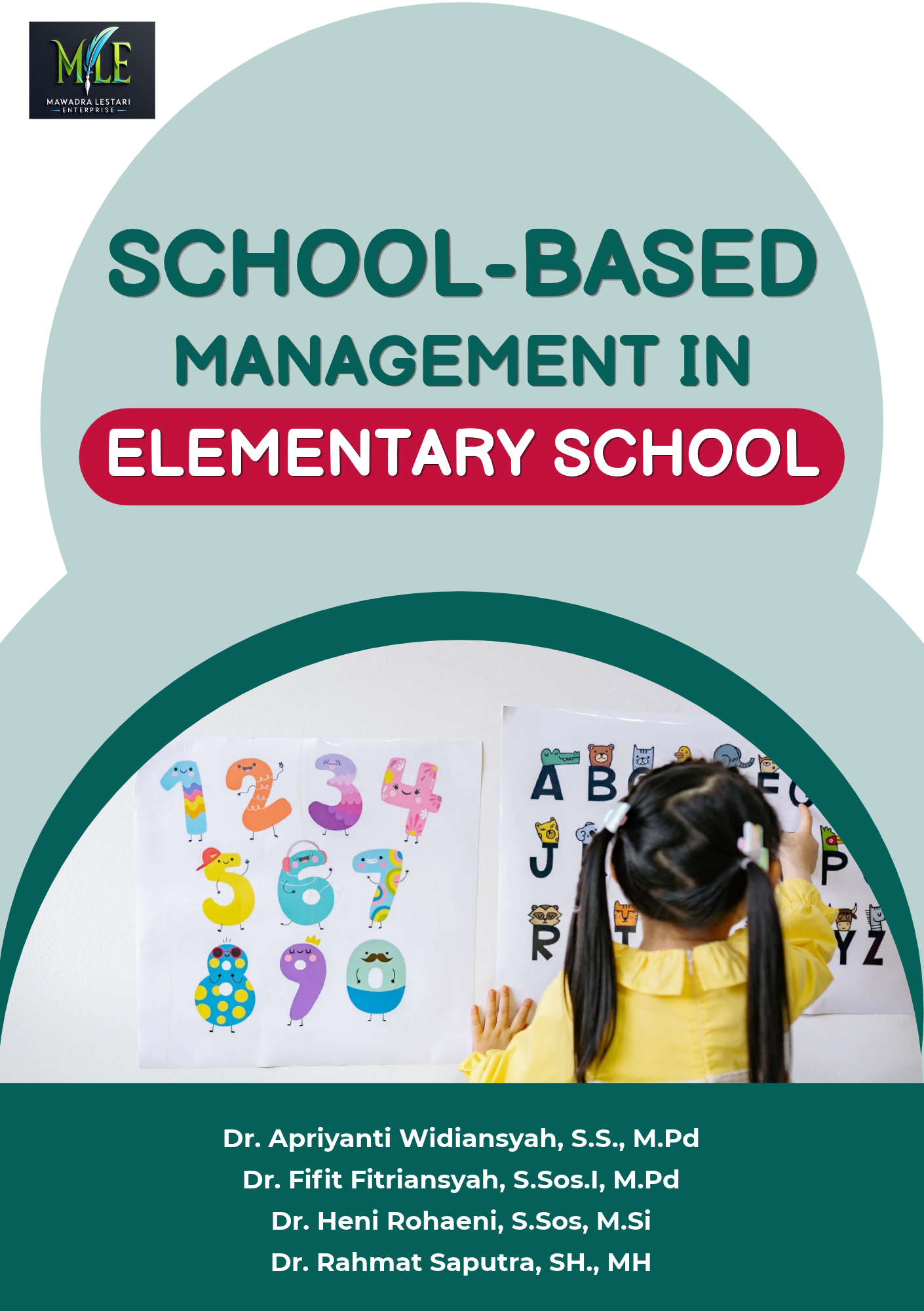
SCHOOL-BASED MANAGEMENT IN ELEMENTARY SCHOOL
Starting: Rp70,000
Collaboratively written by :
Dr. Apriyanti Widiansyah, S.S., M.Pd
Dr. Fifit Fitriansyah, S.Sos.I, M.Pd
Dr. Heni Rohaeni, S.Sos, M.Si
Dr. Rahmat Saputra, SH., MH
EDITOR :
Ariyanto, S.Pd, M.Pd
Yuliatri Novita, S.Hum, M.Pd
EISBN :
978-629-7931-60-9
Alasan berbelanja di Mile Media
- Pengarsipan Buku di Perpustakaan Negara Malaysia
- Penulis mendapatkan royalti 40%
- Publish di Playbook
- Buku terindeks Google Scholar
- Free sertifikat HKI dan sertifikat penulis
Description
Reviews (0)
Description
| Select Book | E-Book, Ebook (Indonesian Version), Printed Book, Printed Book (Indonesian Version) |
|---|---|
| SKU | N/A |
| Category | Book & Ebook, Pendidikan |
Praise and gratitude to God Almighty for His grace and blessings, which have enabled the completion of this textbook, “School-Based Management in Elementary Schools.” This book has been prepared as a learning resource for students of the Elementary School Teacher Education (PGSD) Program to understand the concepts and practices of school management in a systematic, participatory, transparent, accountable, and quality-oriented manner. School-Based Management (SBM) is an educational management approach that provides schools with greater authority to optimize resources according to their needs, characteristics, and potential. In the context of elementary education, SBM plays a strategic role because the success of educational provision is determined not only by classroom learning processes but also by the quality of planning, leadership, human resource management, curriculum management, facilities and infrastructure, financing, partnerships, and the quality culture developed within the school.
In line with developments in the educational paradigm, this book also integrates the perspective of Outcome-Based Education (OBE) in understanding school management. Management is not merely focused on fulfilling inputs and implementing programs but also on achieving educational processes and outcomes that have a meaningful impact on student development. Therefore, every school policy and program is expected to have clear objectives, success indicators, measurement mechanisms, and follow-up actions. The strengthening of a quality culture in this book is also associated with the principles of the Internal Quality Assurance System (SPMI) through the PPEPP cycle (Determination, Implementation, Evaluation, Control, and Improvement). This approach is important
for establishing a school management system that does not stop at program implementation but continues with evidence-based evaluation, control of non conformities, and continuous quality improvement. Through this approach, SBM is expected to develop into an adaptive management system oriented toward continuous improvement.
Education is a strategic sector in national development, playing a crucial role in improving the quality of human resources, strengthening national competitiveness, and realizing social welfare. To achieve these goals, education requires effective, adaptive governance oriented toward continuous quality improvement. One fundamental change in Indonesia’s post-reform governance system is the implementation of regional autonomy policies through government decentralization. This policy grants regional governments broader authority to regulate and manage various government affairs, including education, in accordance with the potential, needs, and characteristics of each region.
Reviews (0)
Leave a Reply
You also like

PSIKOLOGI PENDIDIKAN DALAM PRAKTIK PEMBELAJARAN
Rp300,000 Select options This product has multiple variants. The options may be chosen on the product page
ANTROPOLOGI EKONOMI DAN POLITIK MASYARAKAT TRADISIONAL
Rp300,000 Select options This product has multiple variants. The options may be chosen on the product page
PUBLIC HEALTH SURVEILLANCE
Starting: Rp65,000 Select options This product has multiple variants. The options may be chosen on the product page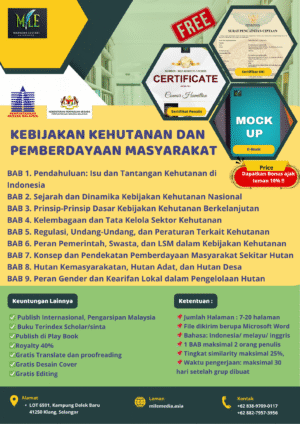
KEBIJAKAN KEHUTANAN DAN PEMBERDAYAAN MASYARAKAT
Rp300,000 Select options This product has multiple variants. The options may be chosen on the product page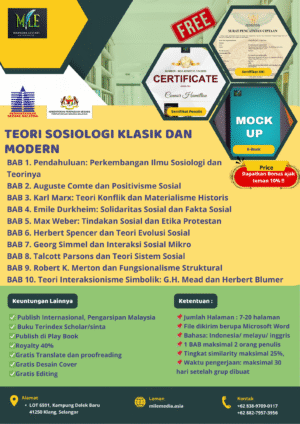
TEORI SOSIOLOGI KLASIK DAN MODERN
Rp300,000 Select options This product has multiple variants. The options may be chosen on the product page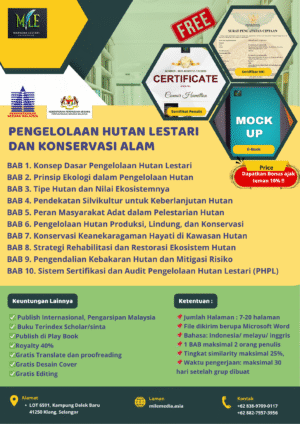
PENGELOLAAN HUTAN LESTARI DAN KONSERVASI ALAM
Rp300,000 Select options This product has multiple variants. The options may be chosen on the product page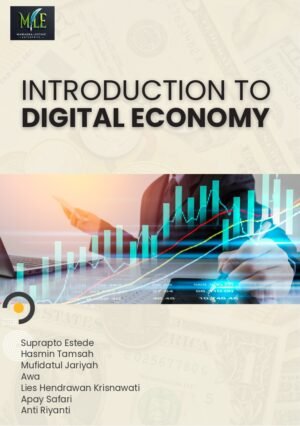
INTRODUCTION TO DIGITAL ECONOMY
Starting: Rp58,000 Select options This product has multiple variants. The options may be chosen on the product page
PENGINDERAAN JAUH UNTUK PEMANTAUAN HUTAN
Rp300,000 Select options This product has multiple variants. The options may be chosen on the product page
ENTREPRENEURIAL DYNAMICS
Starting: Rp40,000 Select options This product has multiple variants. The options may be chosen on the product page
INTRODUCTION TO CURRICULUM
Starting: Rp49,000 Select options This product has multiple variants. The options may be chosen on the product page
EVALUASI PEMBELAJARAN BERBASIS KOMPETENSI
Rp300,000 Select options This product has multiple variants. The options may be chosen on the product page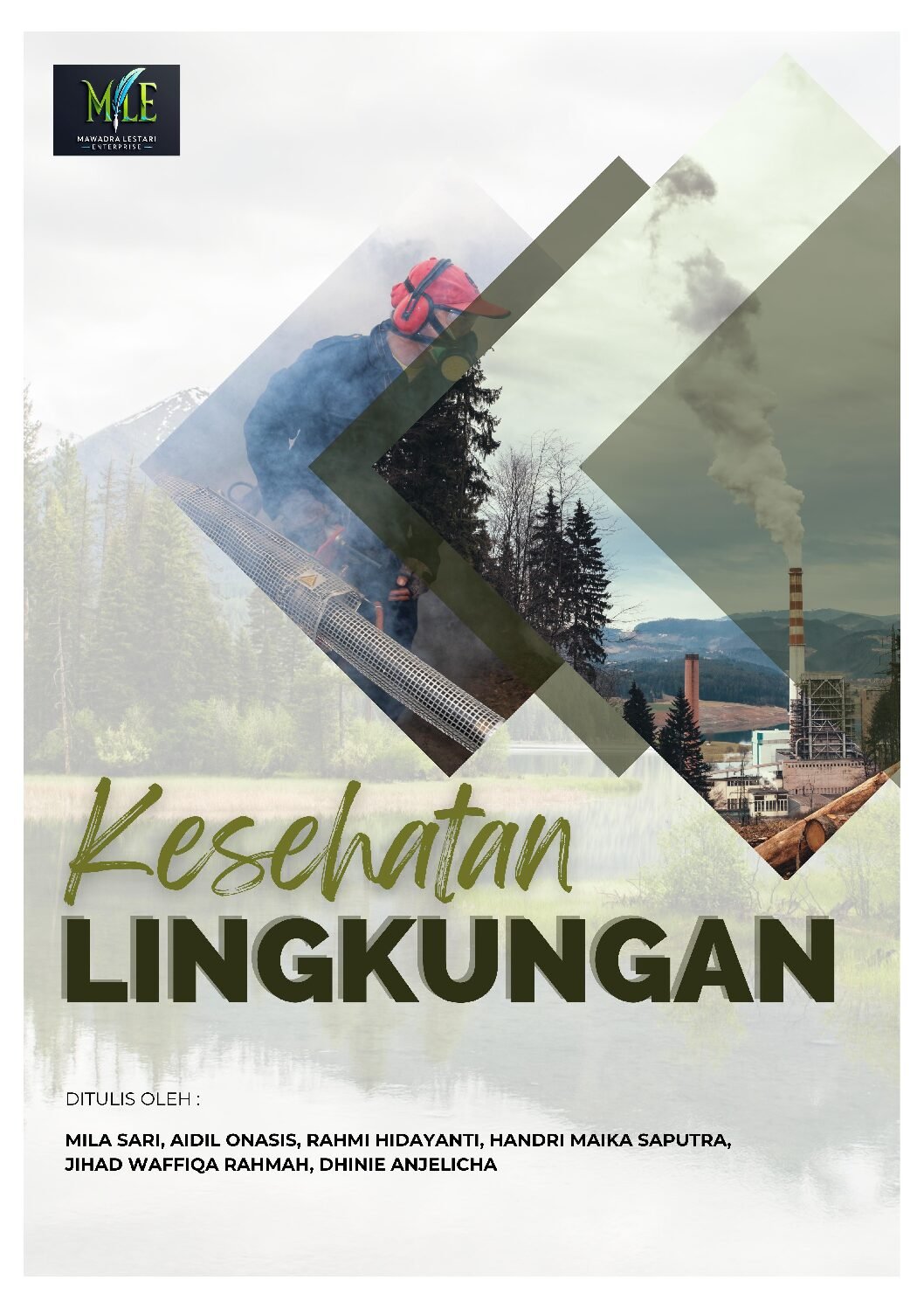
KESEHATAN LINGKUNGAN
Starting: Rp95,000 Select options This product has multiple variants. The options may be chosen on the product page
EDUCATIONAL MANAGEMENT
Starting: Rp56,000 Select options This product has multiple variants. The options may be chosen on the product page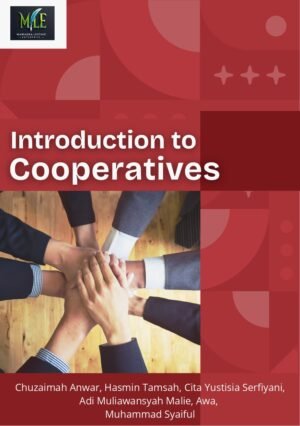
INTRODUCTION TO COOPERATIVES
Starting: Rp57,000 Select options This product has multiple variants. The options may be chosen on the product page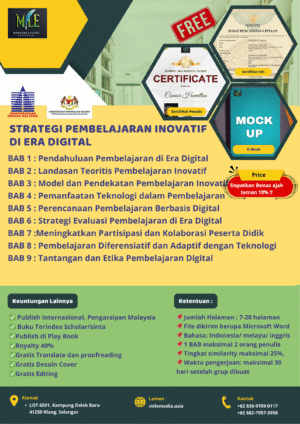
STRATEGI PEMBELAJARAN INOVATIF DI ERA DIGITAL
Rp300,000 Select options This product has multiple variants. The options may be chosen on the product page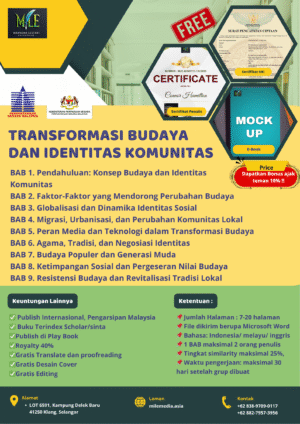
TRANSFORMASI BUDAYA DAN IDENTITAS KOMUNITAS
Rp300,000 Select options This product has multiple variants. The options may be chosen on the product page
BUSINESS MANAGEMENT
Starting: Rp45,000 Select options This product has multiple variants. The options may be chosen on the product page
ISLAMIC EDUCATION SCIENCE
Starting: Rp56,000 Select options This product has multiple variants. The options may be chosen on the product page
RESEARCH METHODOLOGY
Starting: Rp45,000 Select options This product has multiple variants. The options may be chosen on the product page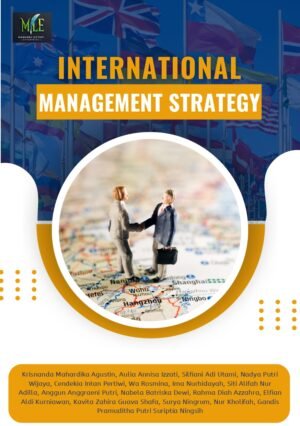
INTERNATIONAL STRATEGIC MANAGEMENT
Starting: Rp65,000 Select options This product has multiple variants. The options may be chosen on the product page


Reviews
There are no reviews yet.