
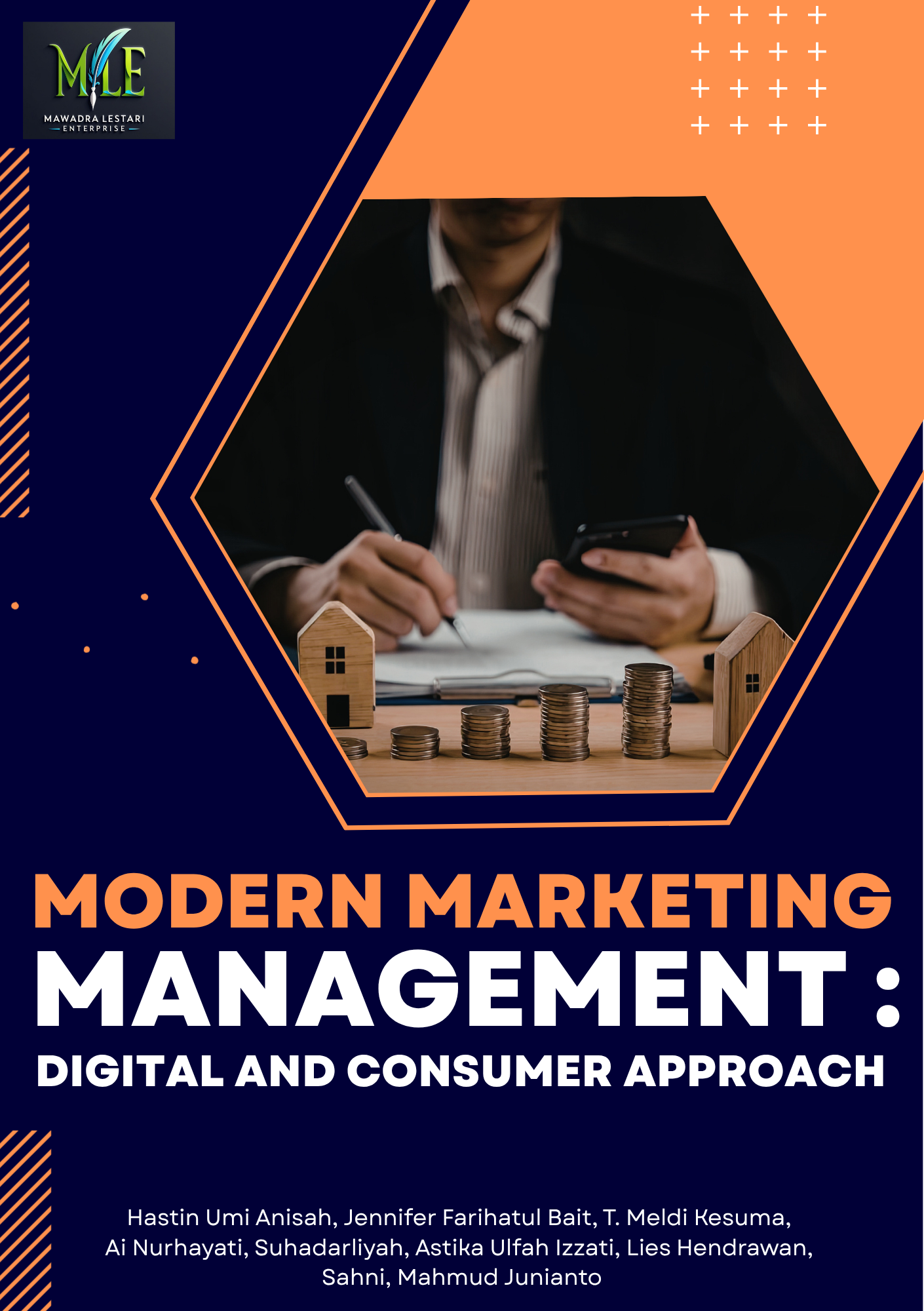
Modern Marketing Management: Digital and Consumer Approach
Starting: Rp56,000
Collaboratively written by :
Hastin Umi Anisah
Jennifer Farihatul Bait
T. Meldi Kesuma
Ai Nurhayati
Suhadarliyah
Astika Ulfah Izzati
Lies Hendrawan
Sahni
Mahmud Junianto
Editor :
Gina Havieza Elmizan, S.E, M.E, M.Si
Meta Lubis, S.Pd, M.Si
EISBN :
978-629-7931-15-9
Alasan berbelanja di Mile Media
- Pengarsipan Buku di Perpustakaan Negara Malaysia
- Penulis mendapatkan royalti 40%
- Publish di Playbook
- Buku terindeks Google Scholar
- Free sertifikat HKI dan sertifikat penulis
Description
Reviews (0)
Description
| Select Book | E-Book, Ebook (Indonesian Version), Printed Book, Printed Book (Indonesian Version) |
|---|---|
| SKU | N/A |
| Category | Book & Ebook, Manajemen |
This book discusses modern marketing management. It covers the basic concepts and evolution of marketing management, consumer behavior and digital market trends, segmentation, targeting, and positioning in the modern era, consumer-based product development and innovation, pricing strategies in competitive and dynamic markets, integrated marketing communications and digital branding, digital marketing, consumer data analysis, and marketing decision making, customer relationship management(CRM) and customer loyalty.
In contemporary management, marketing is no longer understood as an isolated functional entity, but rather as an organizational philosophy that lies at the heart of a holistic corporate
strategy. The classical view put forward by Peter Drucker, as referenced in various literatures, asserts that customer creation is the primary essence of business activity; therefore, there are only two fundamental functions in business: innovation and marketing, both of which synergistically play a role in generating value (Kotler & Keller,2016).
This perspective solidifies marketing’s position as a fundamental element. Furthermore, the essence of marketing lies not solely in the effort to sell products, but rather in the ability to deeply
identify and understand market needs, so that the products developed can organically meet demand. Thus, the evolution of marketing’s role has transformed it from a mere transactional function into a strategic force that determines the direction of corporate policy and sustainability.
Reviews (0)
Leave a Reply
You also like

Financial Management: Planning, Analysis, and Decision Making
Starting: Rp56,000 Select options This product has multiple variants. The options may be chosen on the product page
RESEARCH METHODOLOGY
Starting: Rp45,000 Select options This product has multiple variants. The options may be chosen on the product page
BAHASA INDONESIA DALAM KONTEKS AKADEMIK DAN PROFESIONAL
Rp300,000 Select options This product has multiple variants. The options may be chosen on the product page
MANAJEMEN PEMASARAN MODERN: PENDEKATAN DIGITAL DAN KONSUMEN
Rp300,000 Select options This product has multiple variants. The options may be chosen on the product page
MANAJEMEN RITEL
Rp300,000 Select options This product has multiple variants. The options may be chosen on the product page
INTERNATIONAL STRATEGIC MANAGEMENT
Starting: Rp65,000 Select options This product has multiple variants. The options may be chosen on the product page
Pemasaran Industri
Rp300,000 Select options This product has multiple variants. The options may be chosen on the product page
ENTREPRENEURIAL DYNAMICS
Starting: Rp40,000 Select options This product has multiple variants. The options may be chosen on the product page
PEMASARAN JASA
Rp300,000 Select options This product has multiple variants. The options may be chosen on the product page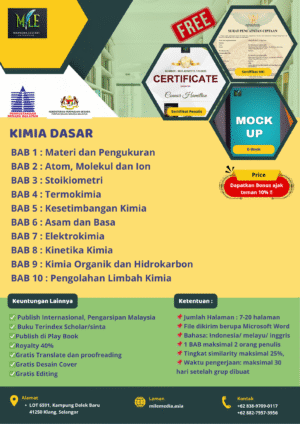
Kimia Dasar
Rp300,000 Select options This product has multiple variants. The options may be chosen on the product page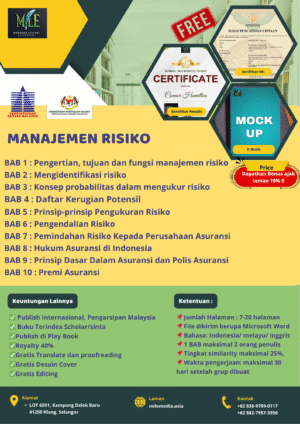
MANAJEMEN RISIKO
Rp300,000 Select options This product has multiple variants. The options may be chosen on the product page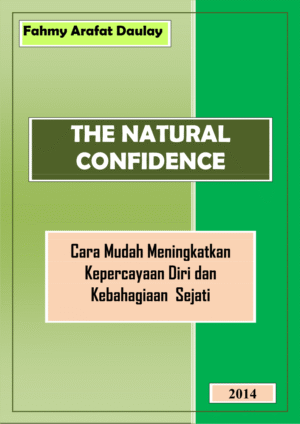
The Natural Confidance
Original price was: Rp105,000.Rp50,500Current price is: Rp50,500. Add to cart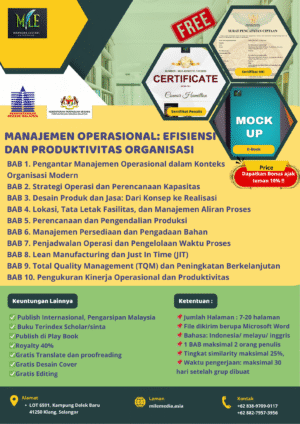
MANAJEMEN OPERASIONAL: EFISIENSI DAN PRODUKTIVITAS ORGANISASI
Rp300,000 Select options This product has multiple variants. The options may be chosen on the product page
Human Resource Management in the Digital Era
Starting: Rp56,000 Select options This product has multiple variants. The options may be chosen on the product page
INTERNATIONAL BUSINESS MANAGEMENT
Starting: Rp56,000 Select options This product has multiple variants. The options may be chosen on the product page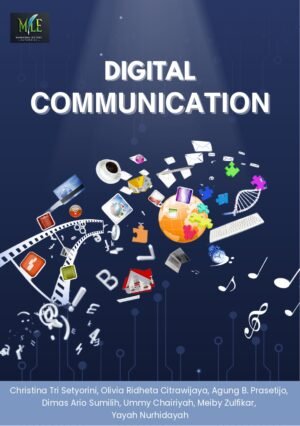
DIGITAL COMMUNICATION
Starting: Rp35,000 Select options This product has multiple variants. The options may be chosen on the product page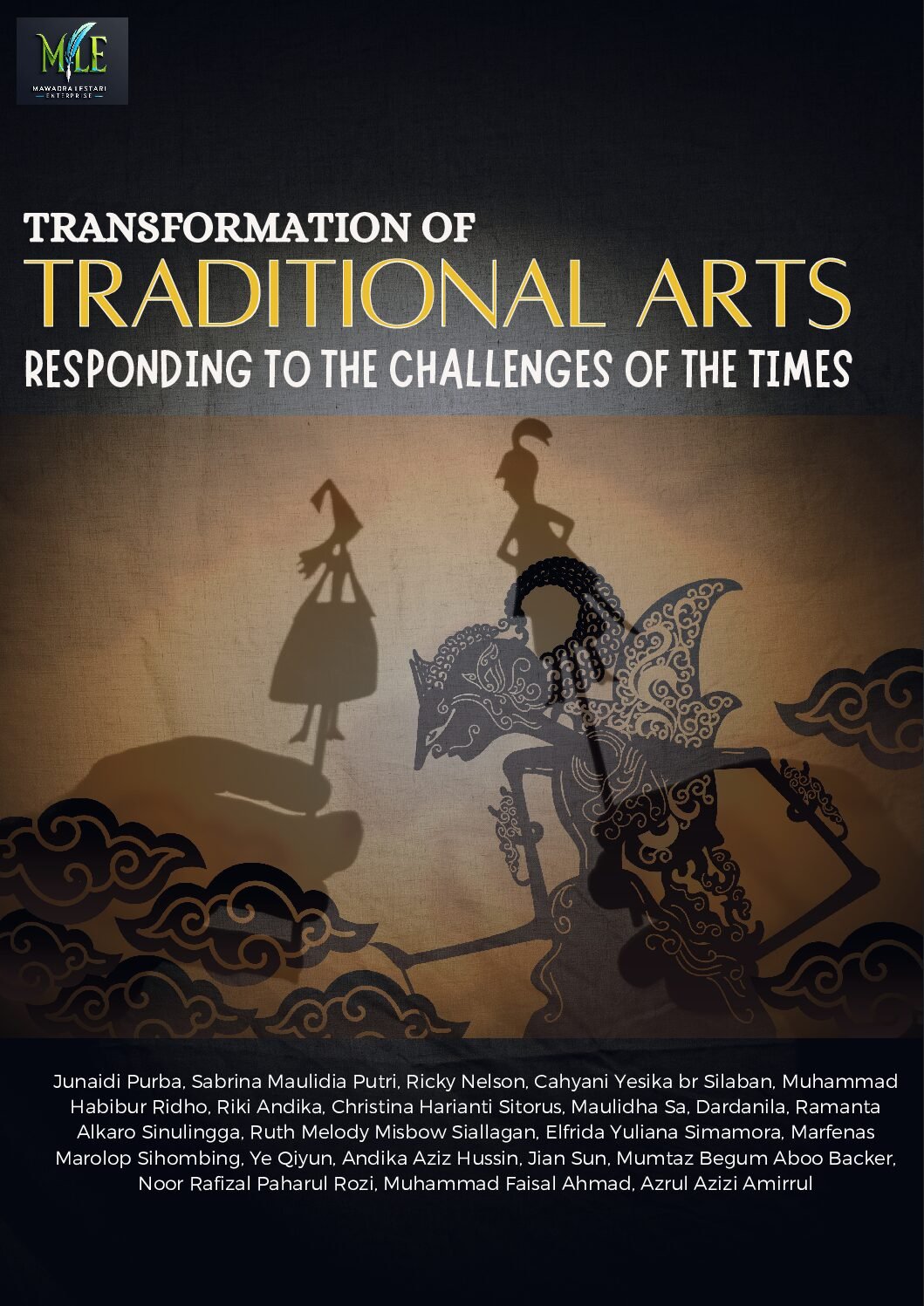
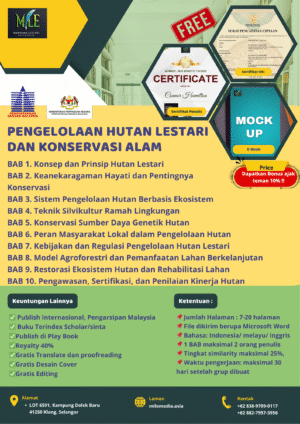
PENGELOLAAN HUTAN LESTARI DAN KONSERVASI ALAM
Rp300,000 Select options This product has multiple variants. The options may be chosen on the product page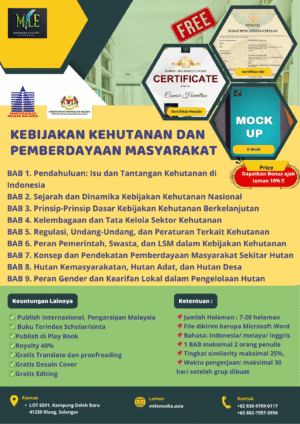
KEBIJAKAN KEHUTANAN DAN PEMBERDAYAAN MASYARAKAT
Rp300,000 Select options This product has multiple variants. The options may be chosen on the product page
ISLAMIC EDUCATION SCIENCE
Starting: Rp56,000 Select options This product has multiple variants. The options may be chosen on the product page


Reviews
There are no reviews yet.